Seasonal Tree Check: 5 Signs Your Trees Need Professional Attention
How to spot seasonal signs your trees need professional care
Trees aren’t just pretty scenery in your yard—they’re a hardworking part of your home. They give you cool shade on hot days, help clean the air, buffer noise, and even add value to your property. A little year-round TLC goes a long way in keeping your trees healthy and resilient.
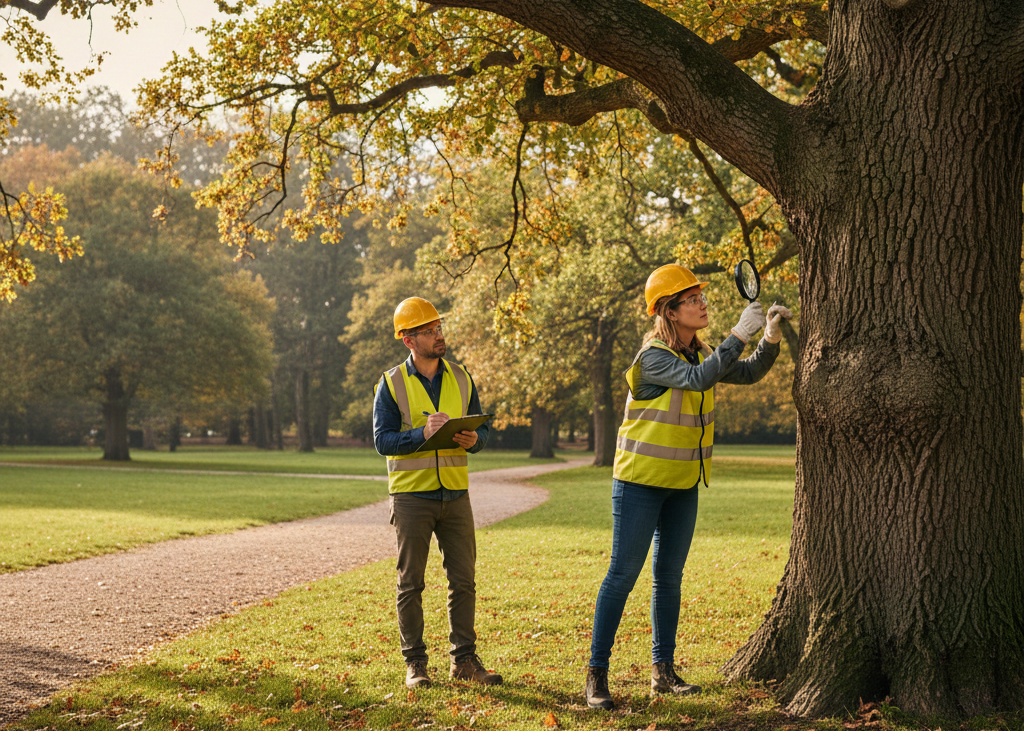
The challenge? Trees can’t tell you when something’s wrong. Luckily, your trees give subtle clues when something’s off—you just need to know what signs to look for. This seasonal guide for Kanata homeowners highlights 5 signs that your trees might need professional attention before small problems turn into big ones.
1. Spring: Watch for Slow or Patchy Leaf Growth
As temperatures rise, your trees emerge from their winter slowdown, sending out fresh leaves and new growth. A healthy tree will usually show fresh leaves evenly across its branches, vibrant and full of life. But sometimes, your tree might be trying to tell you something is off.
Signs to look for:
- Leaves that pop out slowly or only in certain areas
Yellowing, browning, or curled leaves - Buds that open but quickly droop or shrivel
These issues can point to things like nutrient shortages, stressed roots, or leftover frost damage from the winter.
What homeowners can do: Take a stroll around your yard and feel the soil—too dry or compacted soil can stress roots.
Remove weeds or other plants competing for nutrients. If you notice anything unusual, a professional tree inspection can make sure your roots and soil are healthy and set your tree up for a strong growing season.
2. Late Spring to Early Summer: Sparse or Weak Growth
As your tree starts filling out its canopy, it should look full and vibrant. If new growth appears thin, weak, or patchy, it’s more than just a cosmetic issue—it could be a sign your tree is struggling underneath the surface.
Look for these warning signs:
- Thin or bare spots in the upper branches
- New shoots that are short, spindly, or appear stunted
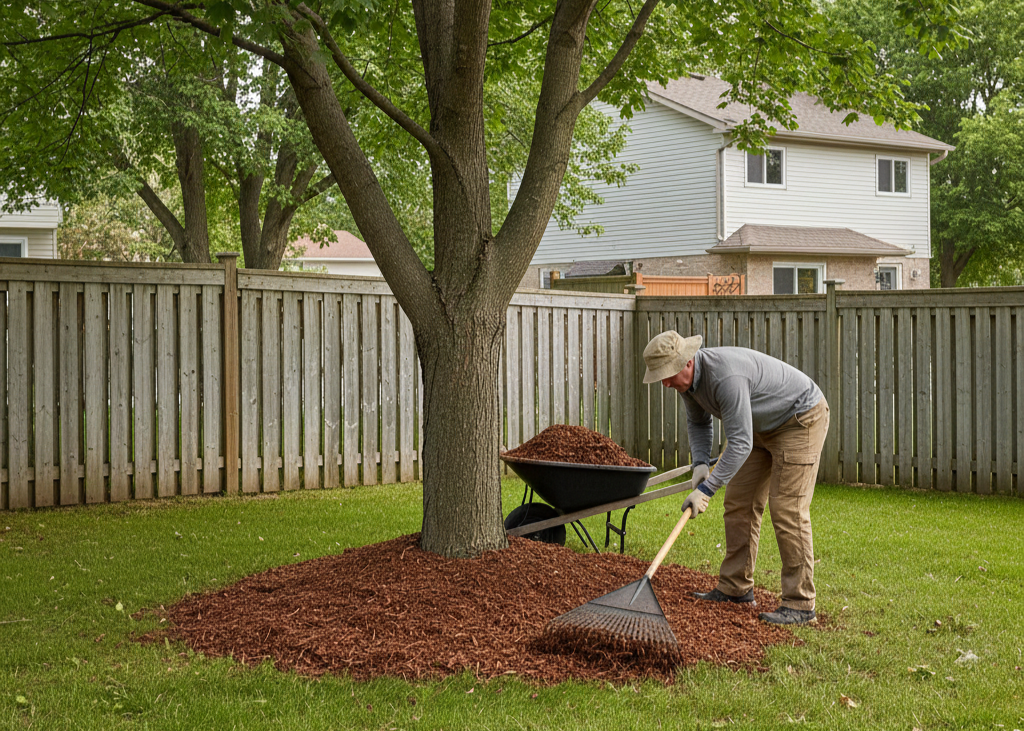
What you can do: Give your tree a little TLC by pruning away dead or damaged branches to encourage healthy growth. A fresh mulch layer around the roots not only holds water in the soil but also nourishes your tree for stronger growth. Taking these small steps now can prevent bigger problems later and keep your tree strong for the rest of the season.
3. Mid-Summer: Wilting, Leaf Drop, and Storm Stress
Kanata summers can be hot, and sudden summer storms can put even the sturdiest trees under pressure. Your tree may be trying to tell you it’s struggling, and some signs are easy to spot if you know what to look for.
Signs to watch for:
- Leaves drooping or falling off earlier than usual
- Broken branches, trunk splits, or cracks after a storm
What to do: After heavy heat or storms, take a careful walk around your yard and inspect your trees. Cracks, splits, and broken limbs are more than an eyesore—they’re potential hazards. Bringing in a professional ensures the damage is properly assessed and treated before it becomes a bigger problem.
4. Late Summer to Early Fall: Fungal Growth and Pests
As summer winds down and trees start preparing for the cooler months, hidden problems like disease or pests often become more noticeable. Your tree might be sending subtle signals that it needs help.
Watch for these warning signs:
- Fungi, mushrooms, or woody growths sprouting around the trunk or at the tree’s base
- Holes in the bark, sawdust-like piles around the base, or leaves with unusual chew marks
These issues can indicate internal decay or an insect infestation. Catching problems early is crucial—bringing in a professional now can prevent serious damage and help your tree stay healthy for years to come.
5. Fall to Winter: Cracks, Leaning, and Root Problems
As the cooler months approach, your trees need to be ready for frost, snow, and ice. The transition into colder months can expose hidden tree issues that went unnoticed during the growing season.
Signs to watch for:
- Bark splitting or frost cracks along the trunk
- Trees that lean more than usual
- Soil heaving or shifting around the base
What to do: Before the first heavy snowfall, take action. A professional tree inspection can identify risks early, and solutions like tree pruning, bracing, or other treatments can keep your trees stable and your property safe throughout winter.
Protect Your Trees and Home with Kanata Tree Service Masters
Seeing any of these issues in your trees? The sooner you act, the better. Kanata Tree Service Masters can inspect, prune, repair, or safely remove trees, helping your yard stay beautiful and your home safe. Addressing issues early can save you money and protect your home from potential hazards later.
The right trees make your yard feel lively, cozy, and full of character. By paying attention to seasonal warning signs, you can keep them strong, healthy, and safe year-round. While trees can’t tell us what’s wrong, a careful eye will reveal exactly what they’re trying to communicate.
Contact us today!
You might also like
Kanata Tree Blog