How to Trim Large Trees and When to Hire a Pro
Safety tips and when to seek professional help!
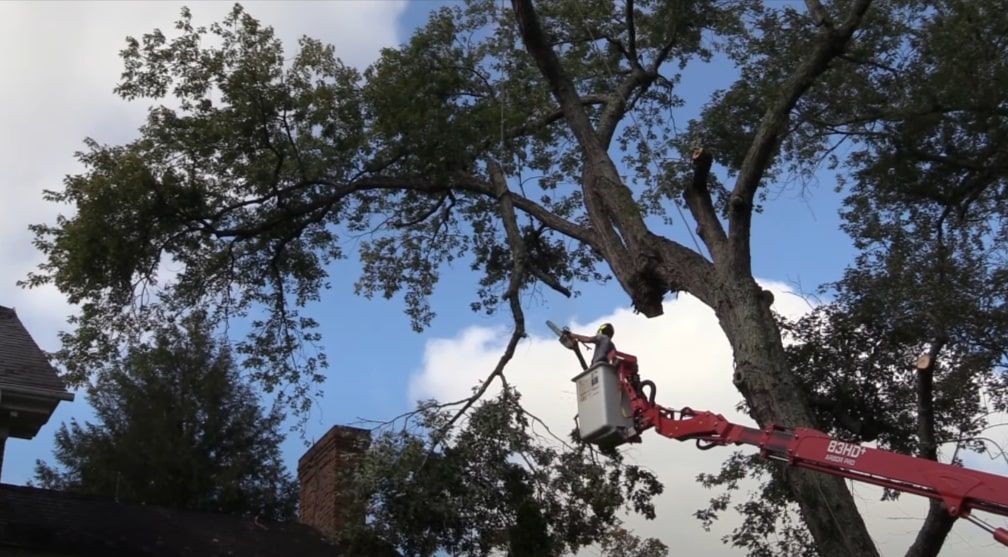
Trimming large trees is a significant task that can enhance the beauty and lifespan of your trees. However, tree trimming is as much an art as a science, and safety and proper technique are paramount when it comes to large trees. This instructional post is a must-read for homeowners looking to trim their large trees while ensuring safety and tree health. We'll cover the essentials of how to trim your trees and offer valuable pointers on when it's wiser to call in professionals.
Before we start, we must emphasize that while the following guide will provide insights into the trimming process, working with large trees can be dangerous. It is crucial to assess your ability, task height, and possible risks before considering a DIY approach.
Basics of Trimming Large Trees
Large tree trimming typically involves climbing and working at heights, which can be hazardous if improperly executed. There are three essential cuts to be familiar with in tree trimming:
- Notch Cut - This initial V-shaped cut is made on the side of the branch that faces the area where you want the branch to fall. It needs to be powerful enough to withstand the branch's weight.
- Relief Cut - To prevent the bark from splitting down the tree's trunk, you should make a second cut from the top downward to meet the notch. This releases the tension of the falling branch.
- Final Cut - The remaining stub is removed near the branch collar or the swelling at the branch's base. This cut should be made without damaging the tree's trunk or main limbs, and no part of the branch, other than the final cut, should touch the trunk during the process.
When making these cuts, using sharp tools and having a clear escape route is crucial. This route should be planned before cutting begins to ensure you can quickly get to a safe area as the cut branch falls.
Safety Considerations for DIY Tree Trimming
Safety should be your top priority when tackling tree trimming. Some essential safety considerations include:
- Wearing the Right Gear - Always wear protective equipment, including eye protection, a hard hat, gloves, and non-slip footwear. Consider using a safety harness for any significant trimming.
- Assessing Potential Dangers - Survey the area and ensure that there are no power lines, fences, or structures that falling branches could damage. It would help if you also warned others of the area where the trimming will take place.
- Using the Proper Tools - Use ladders, chainsaws, or hand saws that are in good condition and appropriate for the task. Tools should be long enough to keep a safe distance from the branch as it falls and should be used according to the manufacturer's instructions.
- Body Position - When making cuts, position yourself and the saw so that if the saw kicks back, it will not strike your body. Always cut at waist level or below to maintain good balance.
When to Hire a Professional Arborist
For homeowners who aren't comfortable with the risks or techniques involved in tree trimming or have trees that are too large or difficult to trim safely, it's often best to hire a professional arborist. A certified and experienced arborist can offer several advantages, including:
- Expertise and Experience - Certified arborists have extensive knowledge of tree biology and can offer the best advice on caring for your trees. They know when and how to trim large trees for optimal health and growth.
- Specialized Services - With specialized equipment and training, professional tree trimmers can tackle any tree, regardless of size or location. Their experience allows them to work efficiently and reduce the risk of damage or injury.
- Tree Health Assessment - An arborist can evaluate your tree's overall health and determine if any underlying issues may contribute to the need for trimming. They can also identify potential hazards and suggest preventative care.
Ensuring Safety and Beautification Through Expert Tree Care
Homeowners should approach large tree trimming with serious consideration for safety and proper technique. While DIY trimming can be rewarding, it involves significant risk. Knowing when to call in the professionals ensures that your trees receive the best care possible. Properly trimmed and maintained trees offer shade, beauty, and increased property value, making it worthwhile to invest in their care. Remember, when it comes to large trees, safety is never optional.
If you are considering professional tree services,
contact Kanata Tree Service Masters. Our team of skilled arborists is equipped to handle all your tree service needs, ensuring your trees flourish and your property remains safe and attractive!
You might also like
Kanata Tree Blog