How Long Does It Really Take for Tree Roots to Decay?
Why roots can linger underground for years after tree removal
If you’ve ever had a tree removed from your yard, you probably breathed a sigh of relief once the trunk and branches were finally cleared away. But then there’s what’s hiding beneath the surface — the roots. Those stubborn things can stick around far longer than you’d expect.
Many homeowners in Kanata are surprised to learn that tree roots can linger underground for years — sometimes even decades — after the tree’s been cut down. Knowing how long they take to break down (and what you can do to speed things up) can save you time, frustration, and a few unexpected lawn issues later on.
Let’s dig into what actually happens to those roots once the tree’s gone — and how long nature really takes to finish the job.
What Happens to Roots After Tree Removal
Cutting down a tree doesn’t instantly kill the roots. For a short while, they still hold stored nutrients and may even try to send up new shoots. Eventually, though, they stop functioning and begin to decompose.
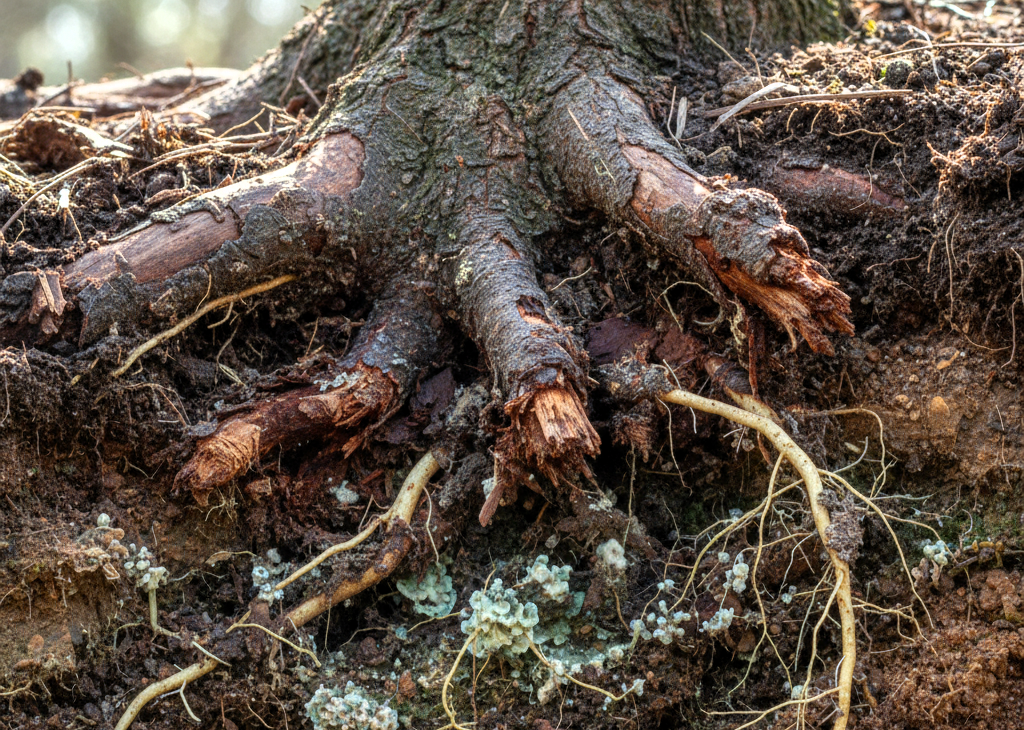
That’s when nature steps in. Fungi, bacteria, insects, and moisture start breaking the wood down, slowly turning it back into rich, organic matter that nourishes your soil.
Here in Kanata, that process doesn’t happen quickly. Our chilly winters hit pause on decay for several months, and our heavy clay soil limits airflow — both of which slow the breakdown process.
The Straight Answer: How Long It Takes
On average, tree roots take about 5 to 10 years to fully decay after a tree’s been removed.
Naturally, that figure can vary depending on a few factors.
- Smaller surface roots may decompose within a few years.
- Large, deep roots — especially from hardwoods like maple, oak, or ash — can take 10 to 20 years or even longer.
If you had a big, mature hardwood tree in your yard, those roots aren’t going anywhere fast.
Why Some Roots Last Longer Than Others
A few key factors affect how quickly roots decay:
- Tree species: Hardwoods have dense, compact roots that resist rot. Softwoods like spruce or pine break down faster because their wood fibers are lighter and less dense.
- Root size: The thicker and deeper the root, the longer it takes to decay. Air and moisture simply can’t reach those inner layers easily.
- Soil and climate: Kanata’s clay soil and freeze-thaw winters make a tough environment for decay. Cold temperatures slow down microbial activity, and clay limits oxygen flow.
- Microbial life: Healthy, living soil teeming with fungi and bacteria helps roots break down faster. If your soil’s packed too tightly or lacking in organic material, don’t be surprised if things take a bit longer to improve.
What Root Decay Looks Like Over Time
Root decay happens gradually, not overnight.
- Years 1–2: Fungi begin working on the outer layers. The wood softens slightly but still holds its shape.
- Years 3–5: You may notice mushrooms sprouting where the tree once stood or slight dips in the soil as smaller roots decompose.
- By Year 10: Most large roots have broken down into soft, organic material that naturally enriches the soil — nature’s slow-motion recycling system.
How to Tell If Roots Are Still Decaying
Even though you can’t see them, decaying roots leave clues. If the ground feels a little spongy underfoot or mushrooms pop up in the old tree spot, that’s a sign the process is still underway.
Sometimes, as roots rot, the soil above them sinks a bit, leaving small dips or soft spots in your lawn. Dig down and find crumbly, soft wood? That’s decomposition in progress.
Can You Speed Up the Process?
You can — at least a little.
Here are several simple ways you can give nature a helping hand:
- Maintain a damp environment—avoiding excess water—to stimulate healthy microbial growth.
- Enrich the soil with compost or a nitrogen-packed fertilizer to nourish the bacteria and fungi that drive decomposition.
- Loosen compacted soil so air can reach deeper roots.
- Drill small holes in large roots to help moisture and oxygen get inside.
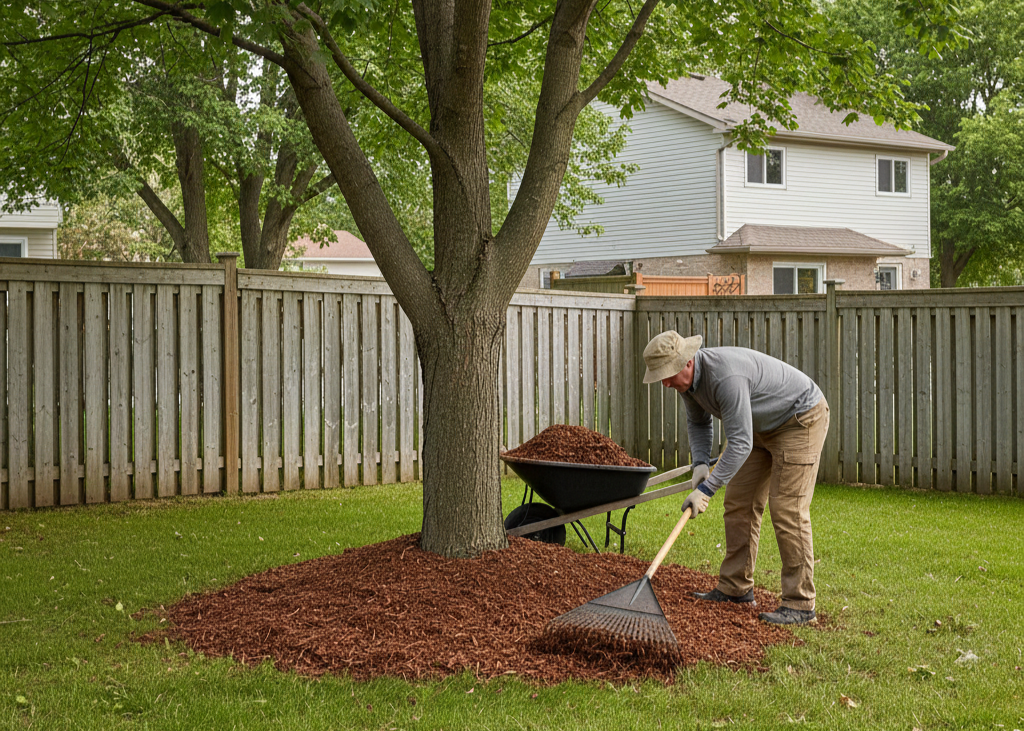
- Cover with mulch to hold in warmth and moisture — perfect for decomposition.
If patience isn’t your strong suit, you can always go the faster route: stump grinding or professional root removal. These methods clear most of the root mass right away, so you can start replanting or landscaping immediately.
When to Call in the Pros
If your lawn’s uneven, you’re seeing new shoots from old roots, or you just want a clean slate, it’s time to call a local tree service.
A professional can assess what’s left underground, check if it’s decaying properly, and recommend the best next step — whether that’s letting nature finish the job, grinding the stump, or full root removal.
Here in Ottawa, Kanata Tree Service Masters specializes in exactly that. Their team can grind stumps, remove old roots, and level your yard so you can finally move forward with your landscaping plans.
Final Thoughts
What’s the typical timeline for tree roots to break down and decompose?
In most cases, you’re looking at five to ten years, though large hardwoods in Kanata’s dense clay soil can stick around even longer.
Nature will handle it eventually — but it’s a slow dance. If you’d rather reclaim your yard sooner or avoid sinking soil and pest problems, professional help is the way to go.
For trusted stump and root removal in Kanata,
reach out to Kanata Tree Service Masters. They’ll take care of what’s left beneath the surface so your yard can look — and feel — complete again.
You might also like
Kanata Tree Blog