Dead Branch Removal: A Small Cut That Makes a Big Difference
What makes dead branch removal so important for tree and home health
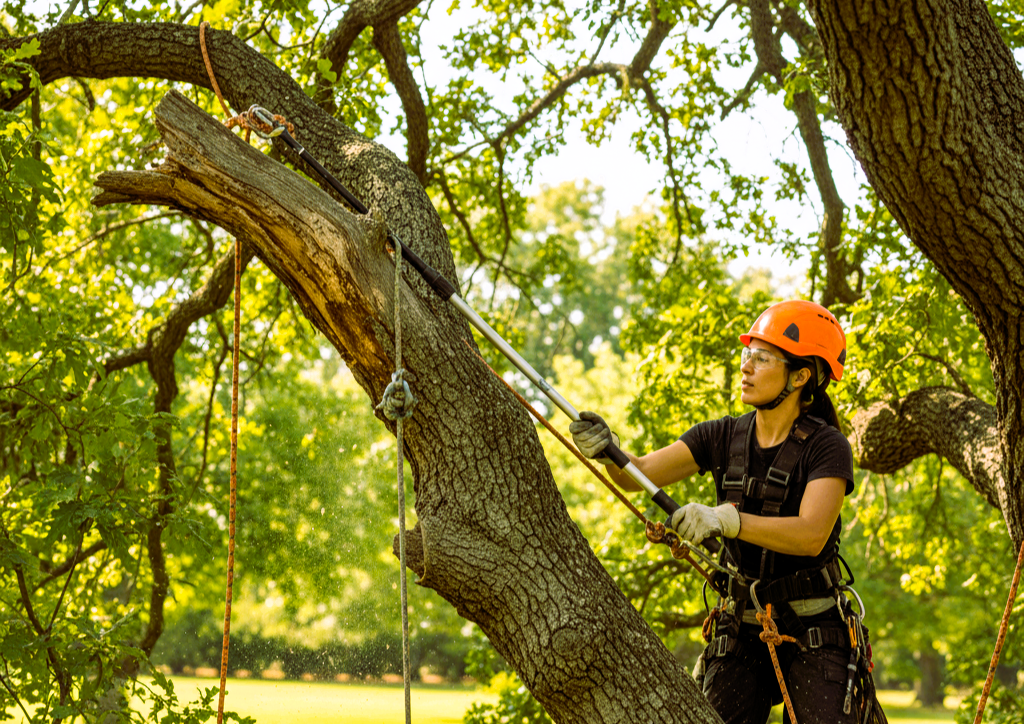
It’s easy to ignore a dead branch. Maybe it’s way up high, or maybe it just hasn’t fallen yet, so it doesn’t seem like a big deal. But that one forgotten branch can turn into a serious hazard — especially when Kanata’s fall winds pick up or winter ice starts to weigh everything down.
Dead branches are sneaky. They look fine from a distance, but they’re brittle, unstable, and unpredictable. They might hang on for months, but eventually, they’ll fall — often at the worst possible time.
That’s why removing them isn’t just good tree care — it’s smart home protection. A single, well-placed cut can save you a ton of trouble later on.
What Exactly Is a Dead Branch?
A dead branch is one that no longer receives life-sustaining nutrients from the tree, cutting it off from the flow of water and energy that keeps the rest of the canopy thriving. You’ll spot it by its dry, cracked bark, missing leaves, or signs of decay. Sometimes, it even starts to rot.
Once a branch dies, it loses flexibility. It can’t bend with the wind like healthy branches do — it just snaps. And when it does, it can cause damage to your roof, your car, or anything unlucky enough to be underneath.
Why You Shouldn’t Ignore Dead Branches on Your Trees
Dead branch removal goes beyond keeping your trees tidy — it’s a crucial step in protecting both your home and the people who live there. Here’s what that one small cut actually does for you:
1. Keeps People and Property Safe
A dead branch hanging over your roof, driveway, or sidewalk is basically an accident waiting to happen. One strong gust of wind or heavy snowfall, and down it comes.
Taking it down now prevents those “what just happened?” moments later. A small, affordable fix today can prevent major repair bills — and help you avoid the risk of someone getting hurt.
2. Protects the Health of Your Tree
Dead branches aren’t just ugly — they’re contagious. Decay, fungi, and insects love deadwood and can easily spread to healthy parts of your tree.
By removing the dead sections, you’re giving your tree a fresh start. It can focus its energy on new growth instead of fighting infections. Consider it a little reboot that helps your tree bounce back to full strength.
3. Prevents Future Breakage
Dead branches throw off a tree’s balance. They add extra weight and create weak points that can cause the whole tree to crack or split in a storm.
Pruning out those risky spots early helps your tree stay stable, even when the weather isn’t.
4. Improves Visibility and Yard Safety
Dead limbs often hang low, blocking sightlines or scraping cars in the driveway. Sometimes they even tangle with power lines or hang over kids’ play areas.
Removing them clears up your space — literally. You’ll have better visibility and a safer yard overall.
5. Keeps Your Yard Looking Great
A tree full of dead, broken branches can make even the nicest property look run-down. Regular pruning keeps your trees looking vibrant and alive, which instantly boosts curb appeal (and property value).
Healthy trees are the heart of a beautiful yard — and they say a lot about how much you care for your home.
6. Saves Money in the Long Run
One small cut now can save you thousands later. Emergency removals, roof repairs, or fence replacements cost way more than preventive maintenance.
Staying ahead of the problem protects your wallet — and your peace of mind.
Signs It’s Time to Cut That Dead Branch
You don’t have to be an arborist to know when something’s wrong. Keep an eye out for these telltale signs:
- No leaves or peeling bark
- Cracks, splits, or hollow spots
- Fungus or mushrooms growing on the branch
- Limbs hanging over your roof, driveway, or walkway
- Twigs that snap easily or crumble in your hand
If you notice any of these, it’s worth getting your tree checked — especially before storm season hits.
When to Tackle Dead Branches — and When to Leave It to the Experts
The ideal time to trim away dead branches is during late winter or early spring, when your trees are resting and not actively growing. But if a branch looks like it could fall anytime soon, don’t wait — safety always comes first.
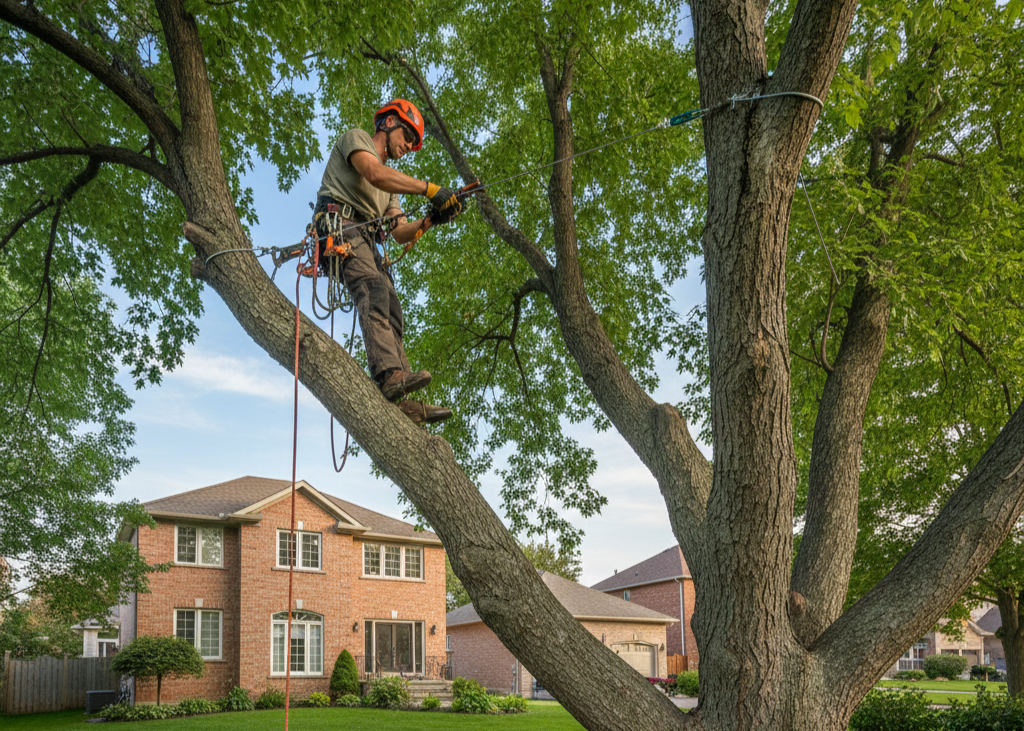
You can handle small, low branches safely on your own. But for anything larger, higher, or close to power lines or your roof, it’s best to call in a certified arborist. They’ll know exactly where and how to cut without harming the tree.
Final Thoughts: A Simple Cut with Big Safety Benefits
Removing dead branches might look like a minor task, but it’s one of the most effective and proactive ways to keep your home, your loved ones, and your trees safe and protected.
A little bit of attention today prevents big headaches tomorrow. By taking care of those weak or lifeless limbs now, you’re ensuring your trees stay strong and your property stays safe — all year round.
If you’ve spotted dead or damaged branches around your yard, don’t wait for the next storm to deal with them. The team of certified arborists at Kanata Tree Service Masters provides expert, safety-focused dead branch removal designed to protect your home while promoting the long-term health and strength of your trees.
Call today for a free, no-obligation quote — and see for yourself how one small cut can make a
big difference.
You might also like
Kanata Tree Blog