10 Warning Signs Your Trees in Kanata Need Cabling or Bracing
How cabling and bracing can protect your trees and property in Kanata
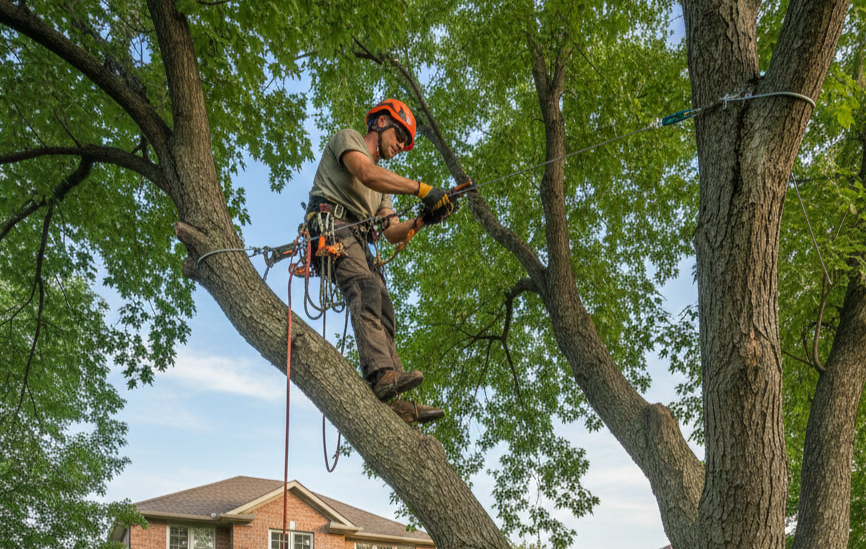
Your trees are more than just beautiful landscaping—they provide shade, privacy, and even boost your property’s value. But unlike other parts of your home, trees can develop problems you might not notice until it’s too late. A branch falling in your yard, or worse, a tree topping onto your home, is every homeowner’s nightmare.
A lot of tree issues creep up over time—but the great news is, you can often stop them before they become serious. Cabling and bracing can strengthen weak trunks and branches before they become a hazard. In this guide, we’ll show you 10 signs that your trees may need professional support, so your home, family, and yard in Kanata, Ontario stay safe and beautiful.
1. Cracks or Splits in Trunks or Major Branches
Seeing cracks in your tree’s trunk or large branches is never a good sign. These splits indicate stress and can worsen over time, especially during storms or heavy snow. With proper cabling, your tree gains extra stability, making it less likely that branches will fail during storms or heavy growth.
2. When a Tree Starts Leaning the Wrong Way
A tree with a noticeable lean might be struggling with its root system or trunk stability. While some lean is natural, excessive tilting near your home or driveway can be dangerous. Professional cabling can help keep the tree upright and secure.
3. Trees With Two Main Stems (Codominant Stems)
Trees with twin trunks or multiple main branches are prone to splitting where the stems meet. Supporting these trees with cables prevents structural failure and keeps your yard safe.
4. Heavy or Overextended Branches
Long, heavy branches may look picturesque, but they place a lot of strain on the tree. Add snow, ice, or wind, and these limbs can snap suddenly. Bracing can relieve stress and protect your property.
5. Previous Storm Damage
If past storms have taken a toll, your trees could be more fragile than they appear. Cabling helps reinforce these trees, preparing them to withstand future weather events without posing a risk.
6. Signs of Decay or Rot
Hollow spots, soft areas, or visible fungi are signs your tree is losing structural strength. A tree might appear healthy, but inside, hidden damage can turn sturdy-looking branches into potential hazards. Cabling or bracing can help maintain the tree’s integrity.
7. Trees Swaying Excessively in the Wind
All trees move with the wind, but if yours sways a lot more than others, it could mean weak branches or joints. Proper cabling stabilizes movement, reducing the chance of breakage.
8. Trees Near Homes, Driveways, or Play Areas
Any tree close to high-traffic areas is a potential risk. By reinforcing these areas, you’re not just supporting the tree—you’re protecting your family and property from potential hazards.
9. Hollow Sections or Weak Branch Attachments
Hollow trunks or weakly attached branches may not look dangerous now, but they can fail without warning. Cabling these areas can prevent costly and dangerous accidents.
10. Narrow Branch Angles or Trapped Bark
Some trees develop tight branch angles or “included bark,” which create weak points prone to splitting. Bracing or cabling these branches ensures they grow stronger over time.
When Your Trees Need a Helping Hand from an Expert
Not every tree showing one warning sign needs cabling or bracing. But if you notice several of these issues—or even feel unsure—calling a professional arborist is the safest choice. DIY cabling can be risky and may accidentally harm your tree.
That’s where Kanata Tree Service Masters comes in. With careful assessments and professional cabling and bracing, their experts help your trees stay healthy, secure, and safe for years to come.
Helping homeowners throughout Kanata, they ensure your trees remain strong and stunning while keeping your property safe. Don’t wait for an accident—schedule an inspection
and make sure your trees stay strong for years to come.
You might also like
Kanata Tree Blog